Deep Dive: The Technology and Chemistry Behind Professional Car Washes
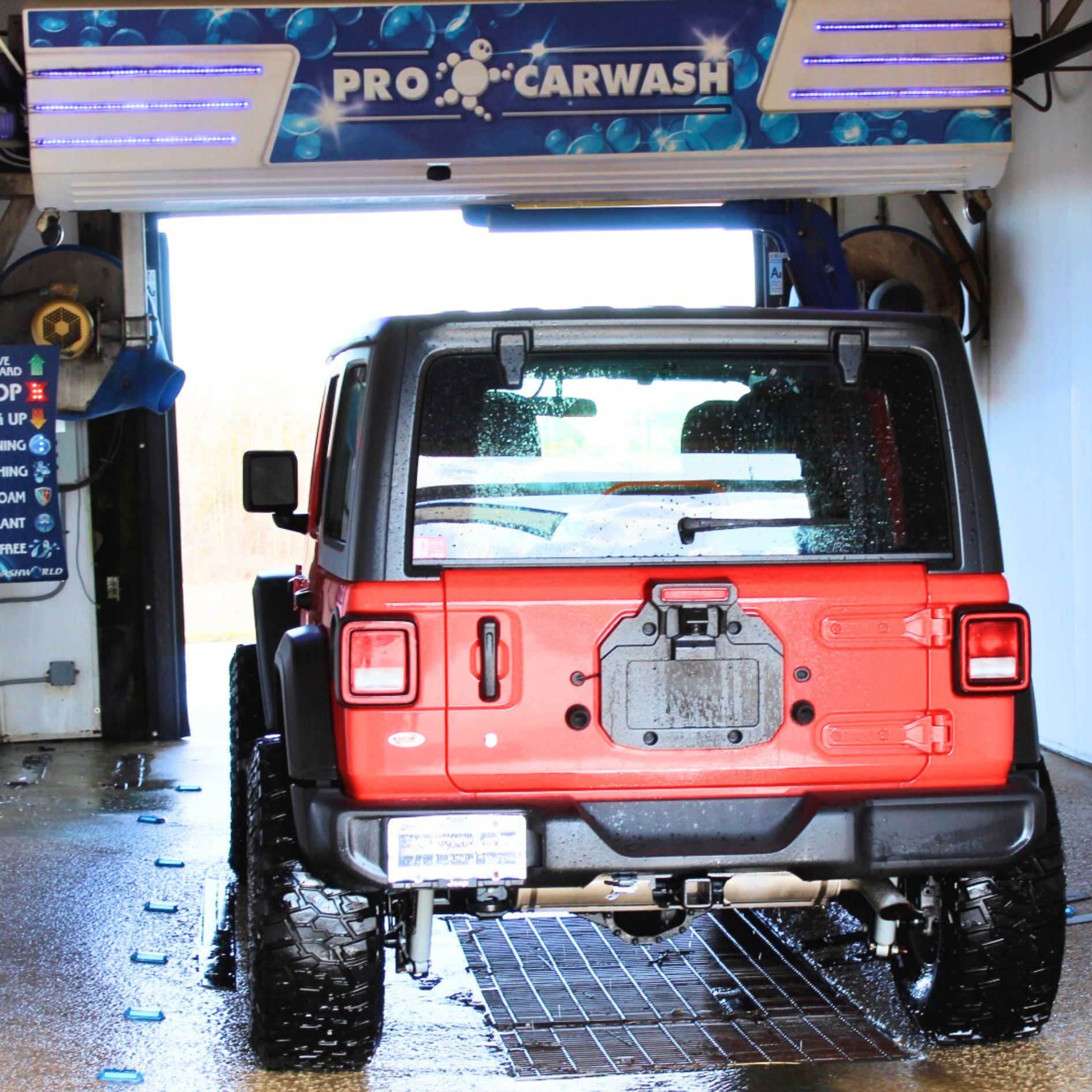
At Pro Carwash, we meet a lot of customers who still swear by washing their vehicles in the driveway with a bucket and hose. While we admire the hands-on approach, the truth is that modern touchless automatic car wash systems go far beyond what home washing can accomplish - thanks to advanced chemistry, powerful equipment, and smart technology.
Let’s explore how these systems work, what goes into the chemical process, and why it's not just about convenience - it’s about a deeper clean and better protection for your vehicle.
Smart Tech Meets Precision Cleaning
Automatic touchless car washes use laser or infrared sensors to scan your vehicle’s exact size, shape, and contours. This mapping allows the system to calibrate nozzle angles, water pressure, and chemical delivery to ensure consistent cleaning without ever physically touching your vehicle.
In fact, many touchless systems now incorporate AI-enhanced technology that tracks your car’s shape in real-time, adjusting spray patterns on the fly to maintain optimal distance and effectiveness - even on trucks, SUVs, or oddly shaped vehicles. Water pressure typically ranges from 800–1,200 PSI, strong enough to dislodge dirt, but safe for your paint when applied correctly.
The Chemistry Behind a Superior Clean
Touchless cleaning isn’t just about pressure - it’s about chemistry. The magic comes from a precise sequence of chemical applications, each designed to remove specific types of dirt and grime without physical scrubbing.
1. Presoaks: The pH-Powered Duo
Professional car washes use specialized high-pH and low-pH presoaks - carefully timed for maximum chemical effect:
- High-pH (alkaline) Presoak (pH ~11–14): Targets organic soils – road grime, oils, bugs and bird droppings. Alkalis break down greasy residues and emulsify oil-based grime into water-rinseable particles.
- Low-pH (acidic) Presoak (pH <7): Ideal for inorganic soils - road salt, brake dust and mineral buildup. Acids dissolve mineral residues and neutralize any leftover alkalinity, restoring surface brightness.
Why both? The combination acts as a chemical “one-two punch”: the acid loosens minerals, then the alkaline step emulsifies organic grime. The two steps neutralize each other’s residues and maximize soil removal.
2. Surfactants: The Dirt Lifters
Surfactants (short for “surface-active agents”) These surface-active agents (surfactants) are the real heroes of clean:
- Anionic surfactants (e.g. sodium lauryl sulfate) carry negative charges and are powerful at suspending dirt and creating foam - but can be harsh if overused.
- Nonionic surfactants (e.g. alcohol ethoxylates, alkyl polyglucosides) are milder, excellent at emulsifying oils, and resist hard water interference.
- Amphoteric surfactants (e.g. betaines) adapt to pH changes and provide gentle cleaning with added stability and foaming control.
These surfactants reduce water’s surface tension, allowing cleaning solutions to wet and lift grime more effectively - then hold it suspended in micelles, so it rinses away cleanly.
3. Builders & Chelating Agents - Powering Efficiency and Stability
- Builders like sodium carbonate, sodium silicate, or phosphates soften hard water and buffer pH levels. They help surfactants perform better by preventing mineral interference and keeping soils suspended.
- Chelating agents (EDTA, sodium citrate, zeolites) bind metal ions like calcium and magnesium so they don't interact with cleaning agents - improving effectiveness and reducing residue.
These ingredients ensure consistent cleaning across different water qualities and soil types.
4. Solvents, Enzymes & Additives - Extra Hits Where Needed
- Solvents such as 2‑Butoxyethanol, isopropyl alcohol, or d-limonene dissolve tough greases and enhance surfactant penetration.
- Enzymes (used in premium systems) break down biological contaminants like sap, proteins, and tree residue - making them easier to rinse away in touchless settings.
- Drying agents (rinse aids) encourage water to bead and run off fast, reducing spotting. Many include protective wax or polymer additives for added shine and surface protection.
- Protectants & Sealants are the final rinse products that leave behind UV blockers or polymers, extending shine and helping repel dirt until your next wash.
Why It’s Better Than Washing at Home
When washing your car at home, you’re likely using tap water, dish soap or generic car wash cleansers, and a sponge or mitt. While that might seem effective, it falls short in several key areas:
- No pH control: Household cleaners may strip wax or damage your clear coat.
- No dwell time optimization: Chemicals need time to work. Home washes rarely allow for proper application or timing.
- No filtration: Tap water contains minerals that cause spots and buildup.
- Risk of scratches: Even clean sponges can trap grit that causes micro-abrasions.
- Environmental runoff: Dirty, soapy water runs directly into storm drains — untreated.
What About Self-Service Wash Bays?
If you’re not ready for a full automatic wash, self-service bays are a better alternative to driveway washing. These bays use many of the same chemical types — including presoaks, foaming surfactants, waxes, and spot-free rinse systems — but allow for manual control.
And just like in the automatic washes, water used in self-serve bays typically goes through filtration and recycling systems, capturing runoff and reducing freshwater use by up to 90%. That’s a major win for the environment! By contrast, washing at home means hundreds of gallons of untreated water (often mixed with detergents and oils) going straight into the stormwater system — not ideal for local waterways.
Let Chemistry Do the Dirty Work
At Pro Carwash, our touchless wash systems are engineered to protect your paint, preserve your finish, and reduce environmental impact — all while giving you a deep, spotless clean in minutes. Our chemistry isn’t just powerful, it’s precisely calibrated, safe, and eco-friendly.
So next time you think about pulling out the bucket and hose, consider giving your vehicle the
professional care it deserves. Come experience chemistry done right at one of the
3 Pro Carwash locations in Smithville or Platte City, MO without the hard work.
Your car - and your finish - will thank you.